Vision solutions
Four questions every vision system answers
Where is it? Is it good? Is it the right size? Which one is it?
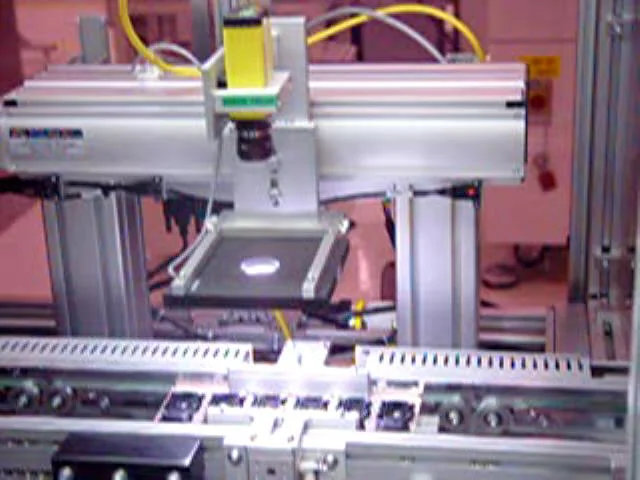
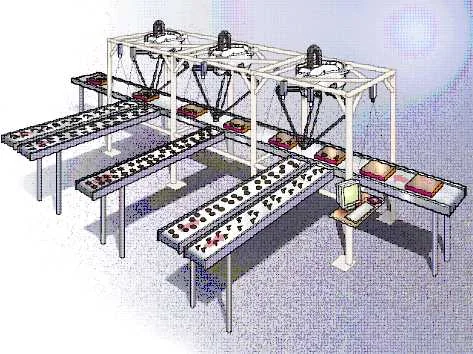
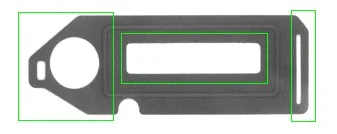
Where is the part? How many are there?
Guidance
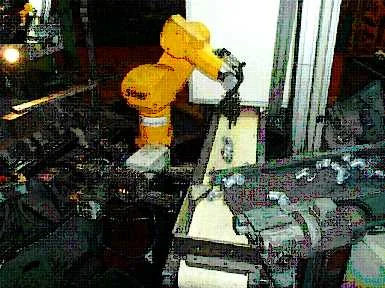
Find each part's position and angle, then guide the robot to it.
- X, Y & angle
- Part counting
- Robot pick & place
- Alignment
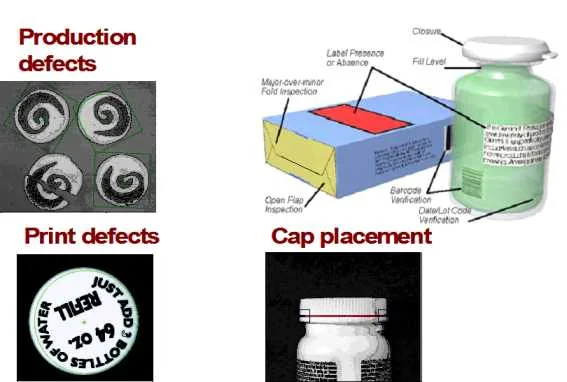
Any defects? Is the shape and colour OK?
Inspection
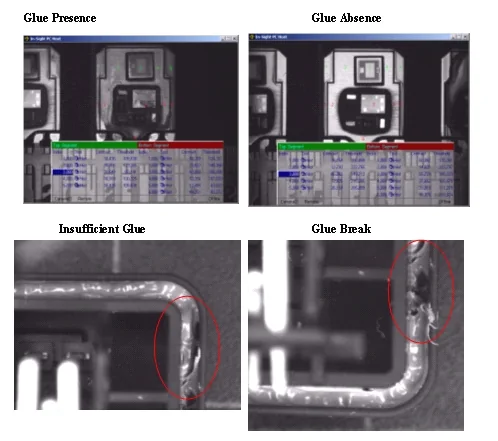
Check every part and reject the bad ones automatically.
- Surface defects
- Shape
- Colour
- Print quality
- Assembly
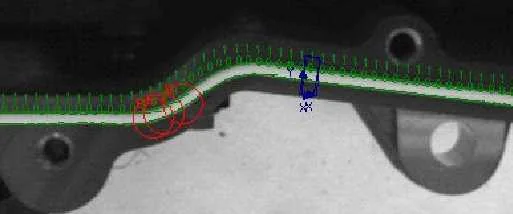
Are the dimensions correct?
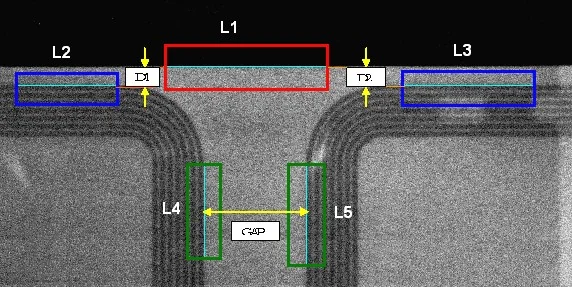
Gauging
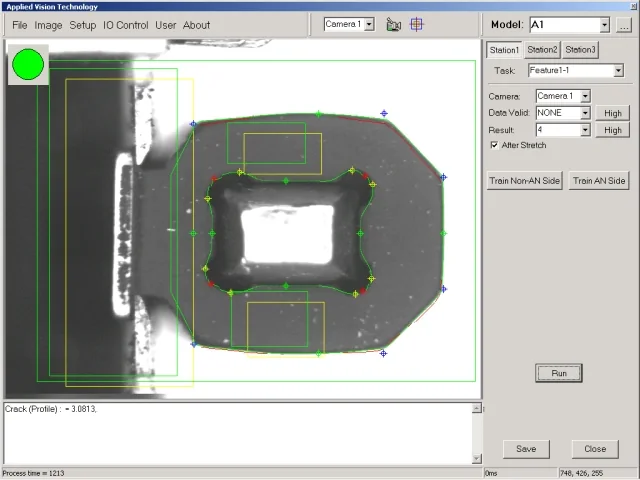
Measure every part without touching it.
- Length & width
- Gaps
- Pitch & position
- Tolerance pass/fail
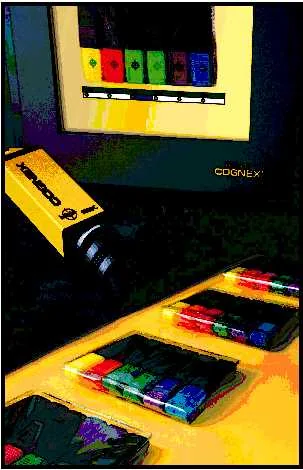
Which part is it?
Identification
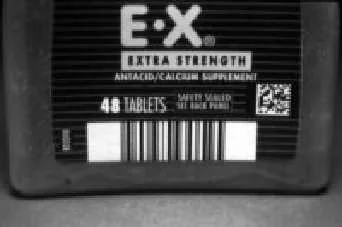
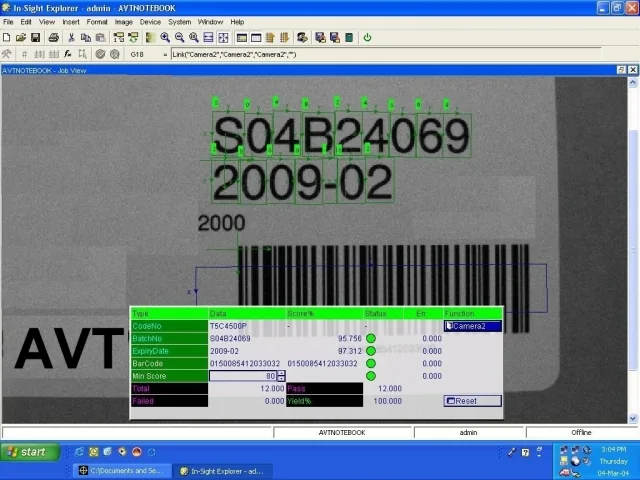
Read codes and text, or identify parts by colour, shape and size.
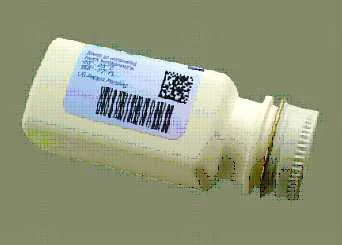
- 1D barcode
- 2D Data Matrix
- OCR / OCV
- Colour, shape, size
Inside a vision system
Five parts, one working system
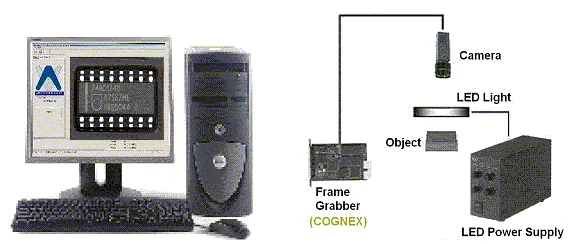
- Camera & lens
- LED lighting
- Frame grabber
- Vision software
- Machine I/O
FAQ
Common questions
What does a machine vision systems integrator do?
A systems integrator selects the camera, optics, lighting and software for your application, develops the inspection, and integrates it mechanically and electrically with your machine or line. AVT Solution, a Cognex Integrator, also provides training and ongoing applications support after installation.
Can one vision system do inspection and identification at the same time?
Often, yes. Many applications combine guidance, inspection, gauging and identification in a single system, for example reading a part's 2D code while also checking it for defects and measuring a critical dimension.
Do you offer AI or deep learning vision?
Yes. AI vision uses deep learning trained on your good and defective sample images. It suits defects that vary too much for rule-based tools, such as cosmetic flaws on textured surfaces, and is often combined with conventional vision for measurement and code reading.
How do I know if machine vision will work for my part?
Start with a conversation about the part, the defects or features you need to detect, and your cycle time. A feasibility review with sample parts is usually the fastest way to confirm the right approach before committing to hardware.
Do you provide training and support after installation?
Yes. Training for your operators and engineers, and ongoing applications support, are part of how we work so your system keeps performing as products change.
Not sure which you need?
Describe your part and we'll suggest the right mix.